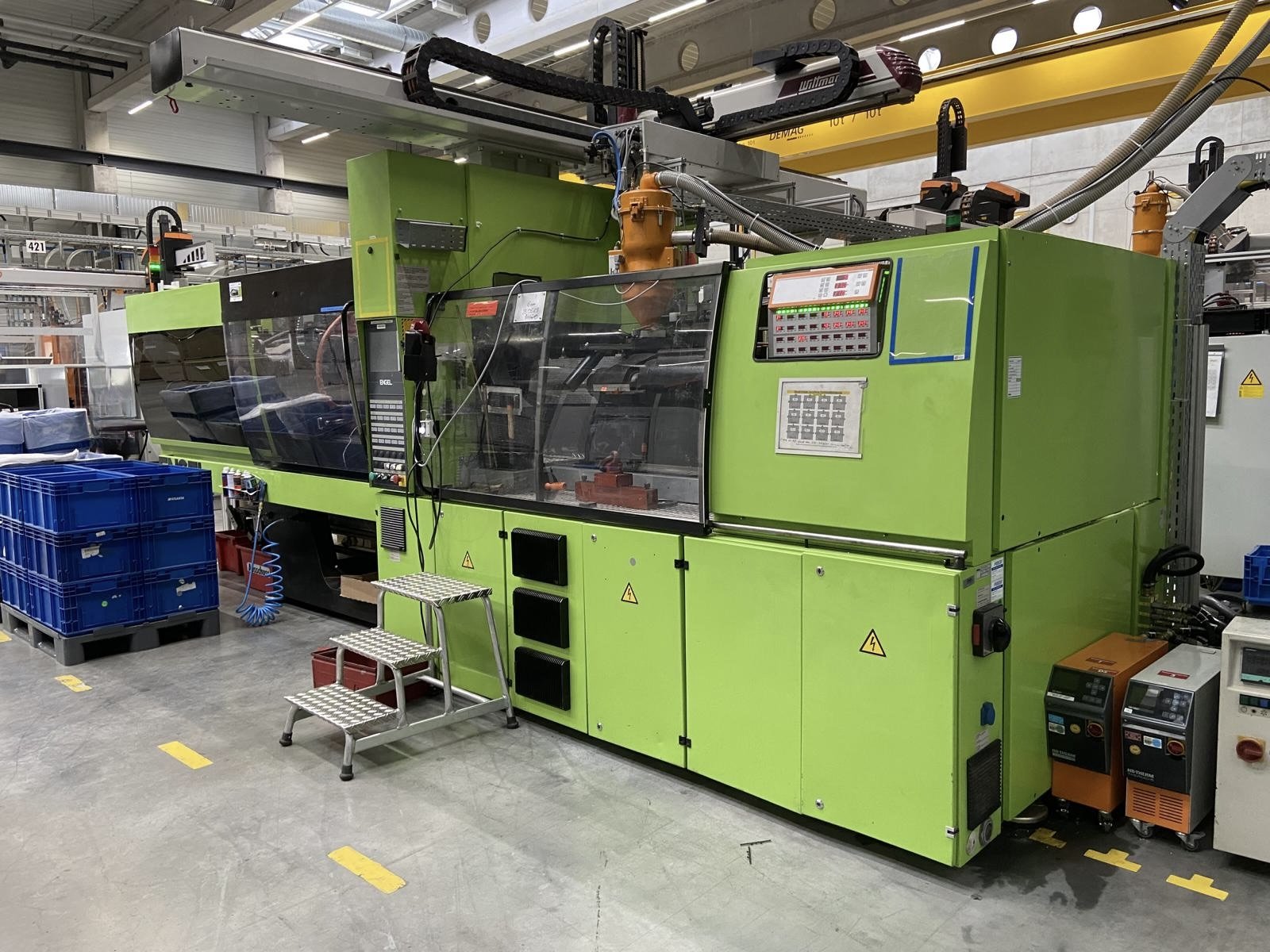
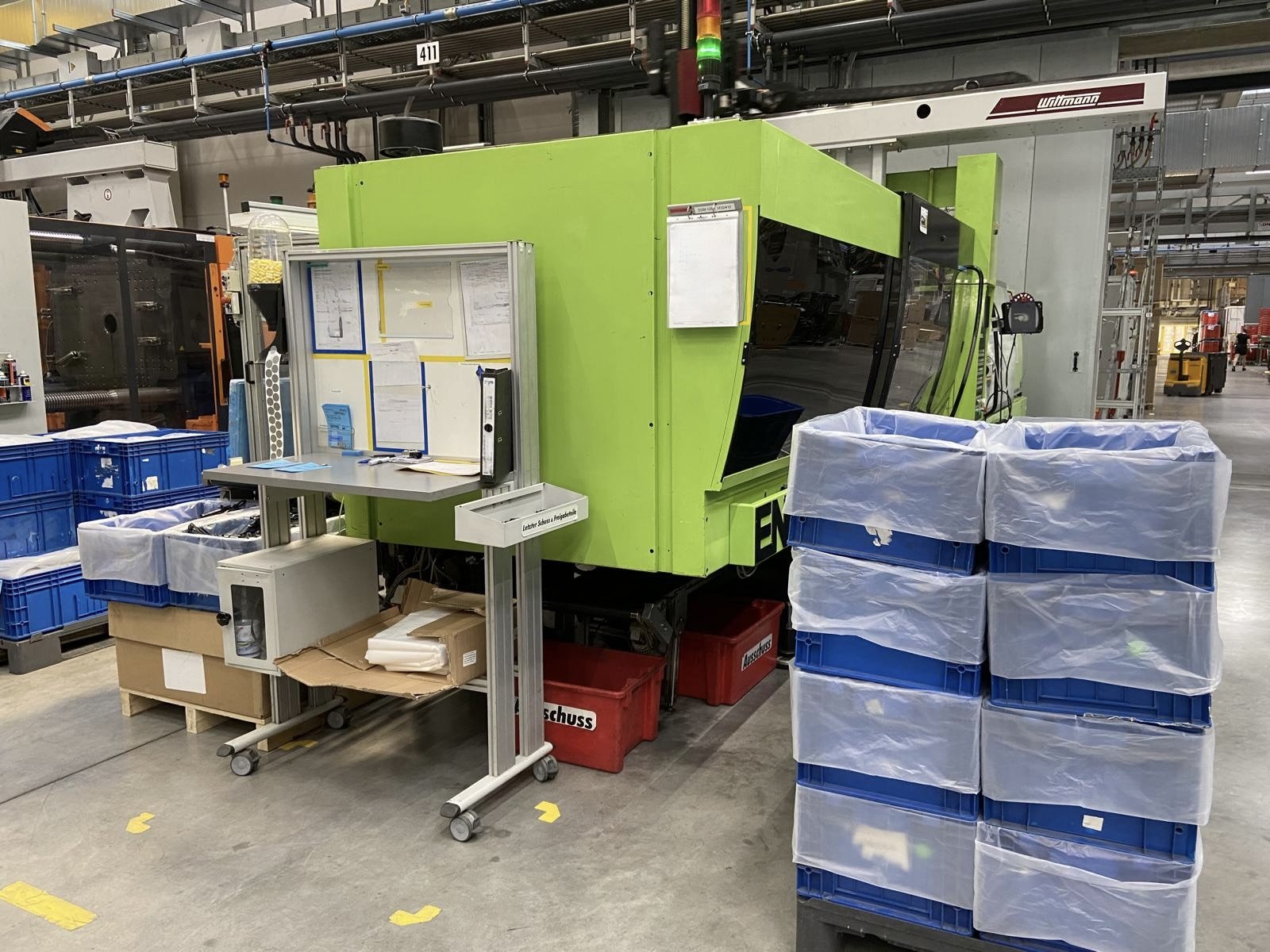
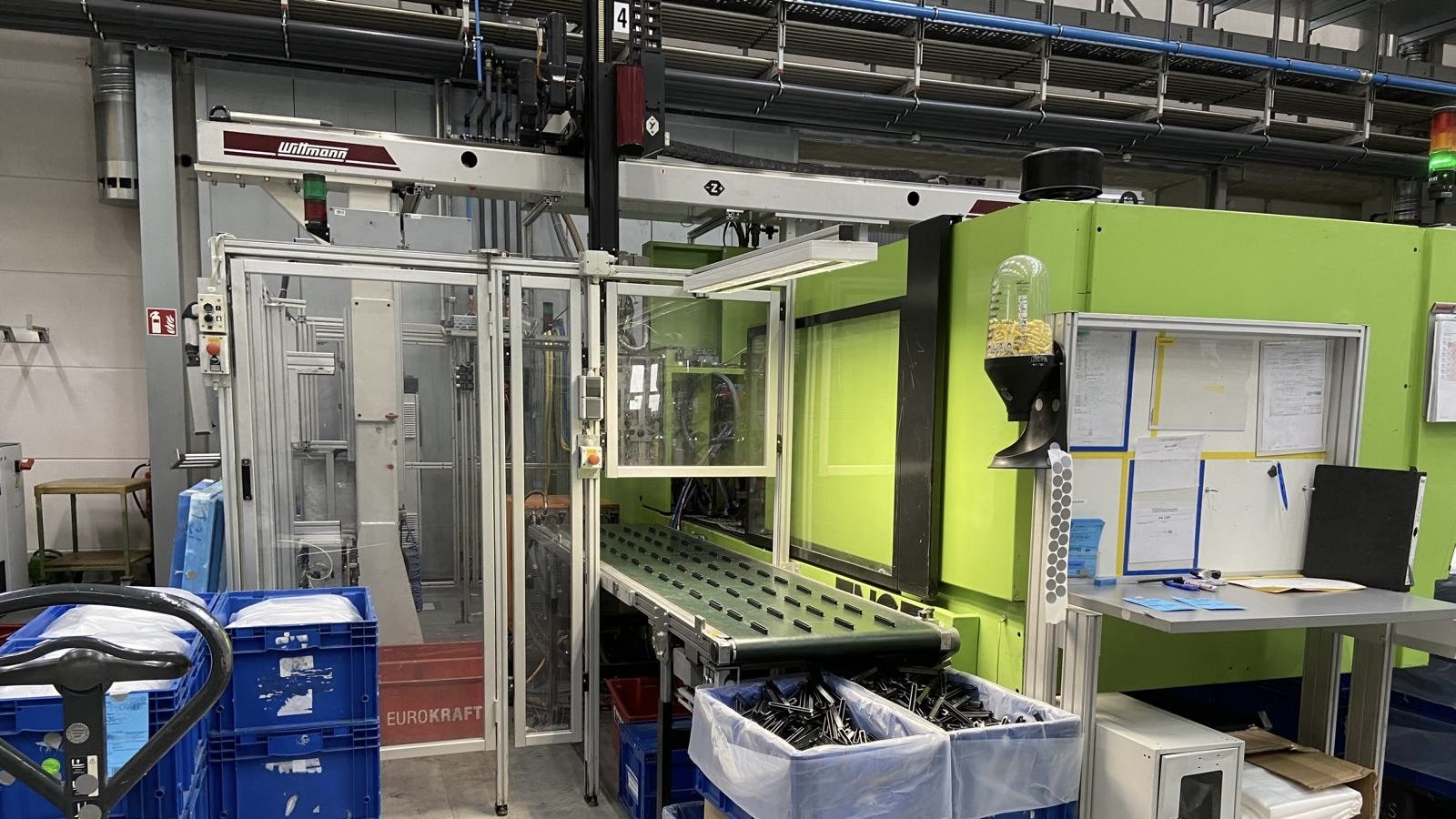
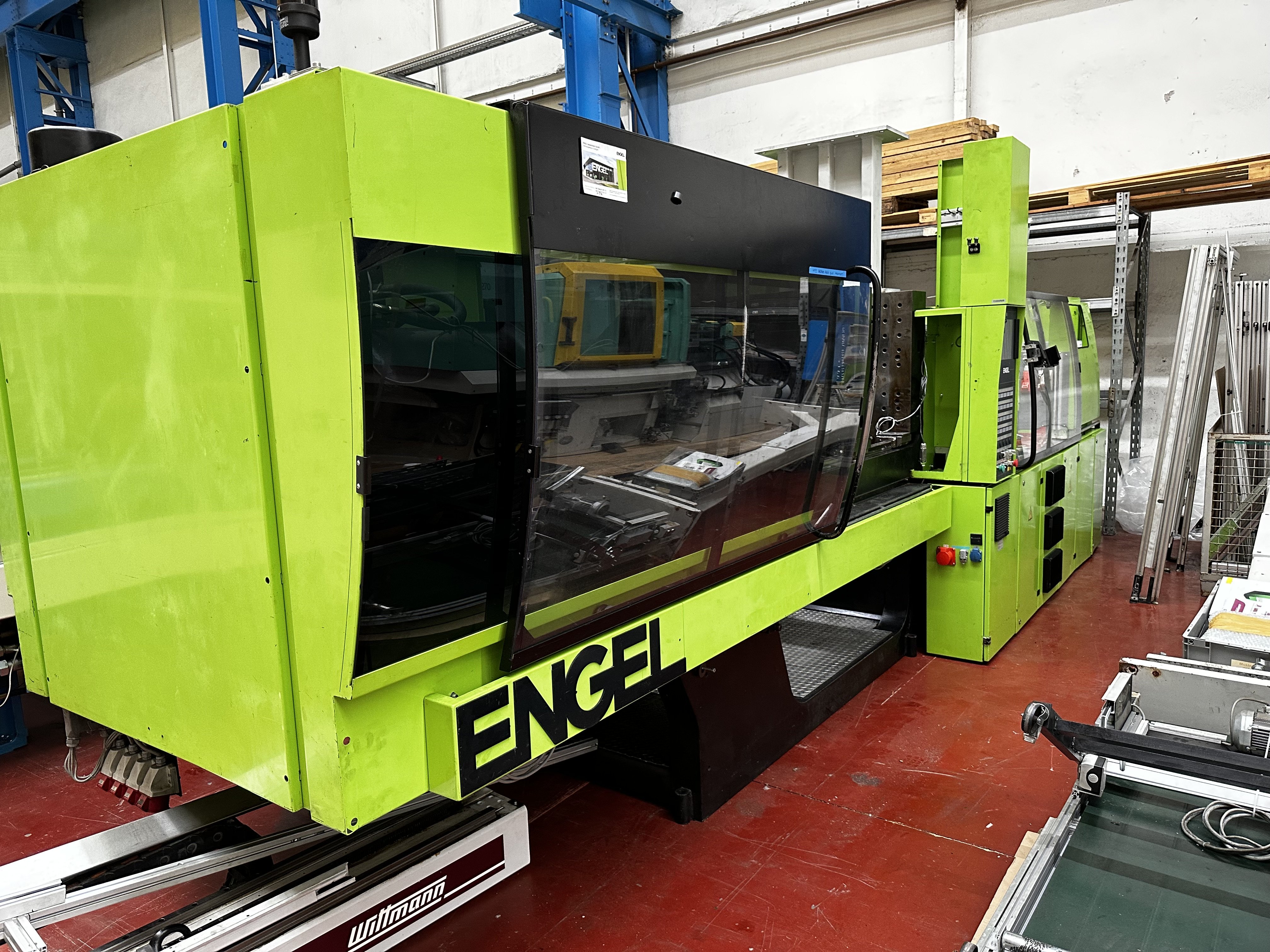
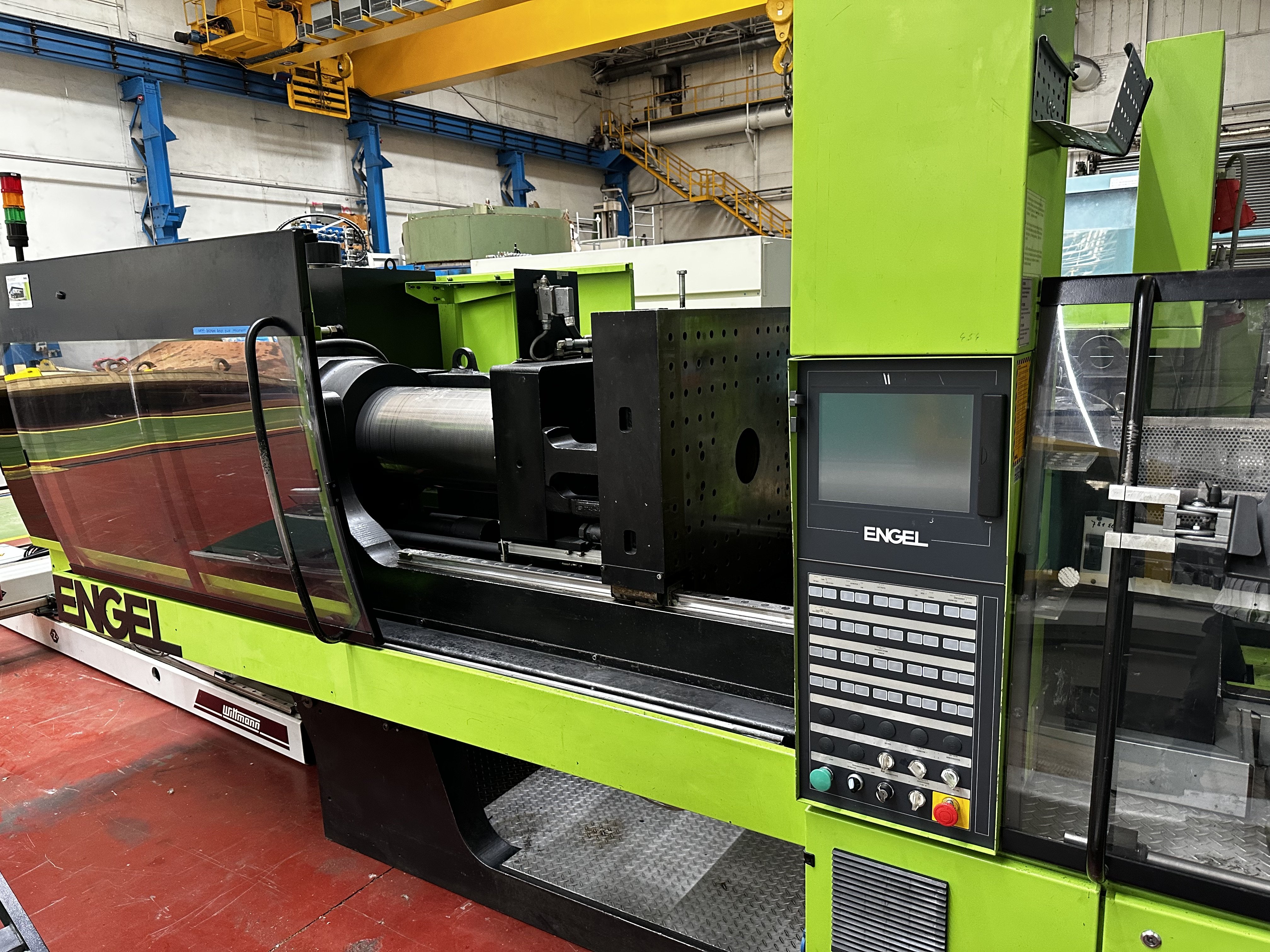
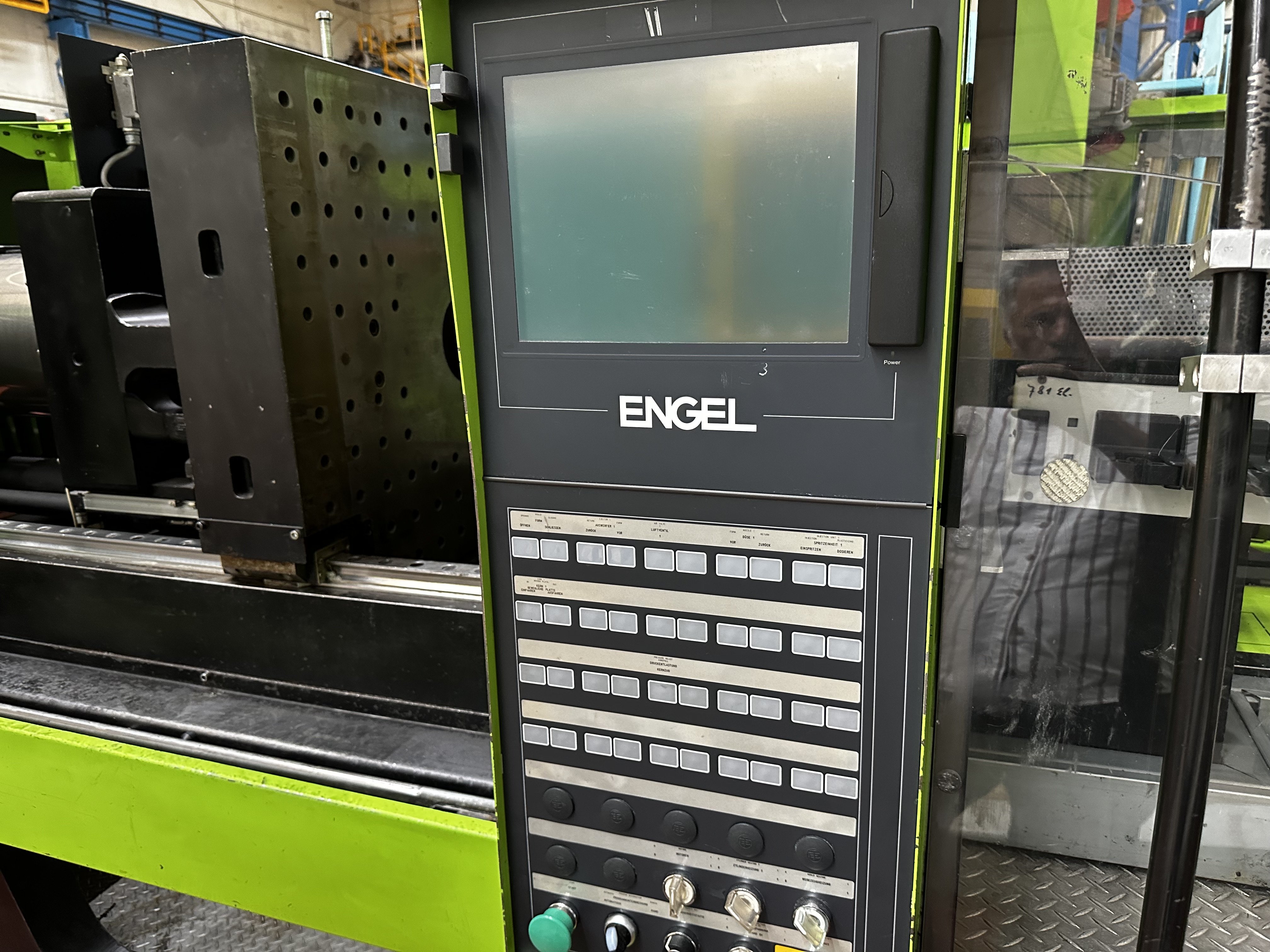
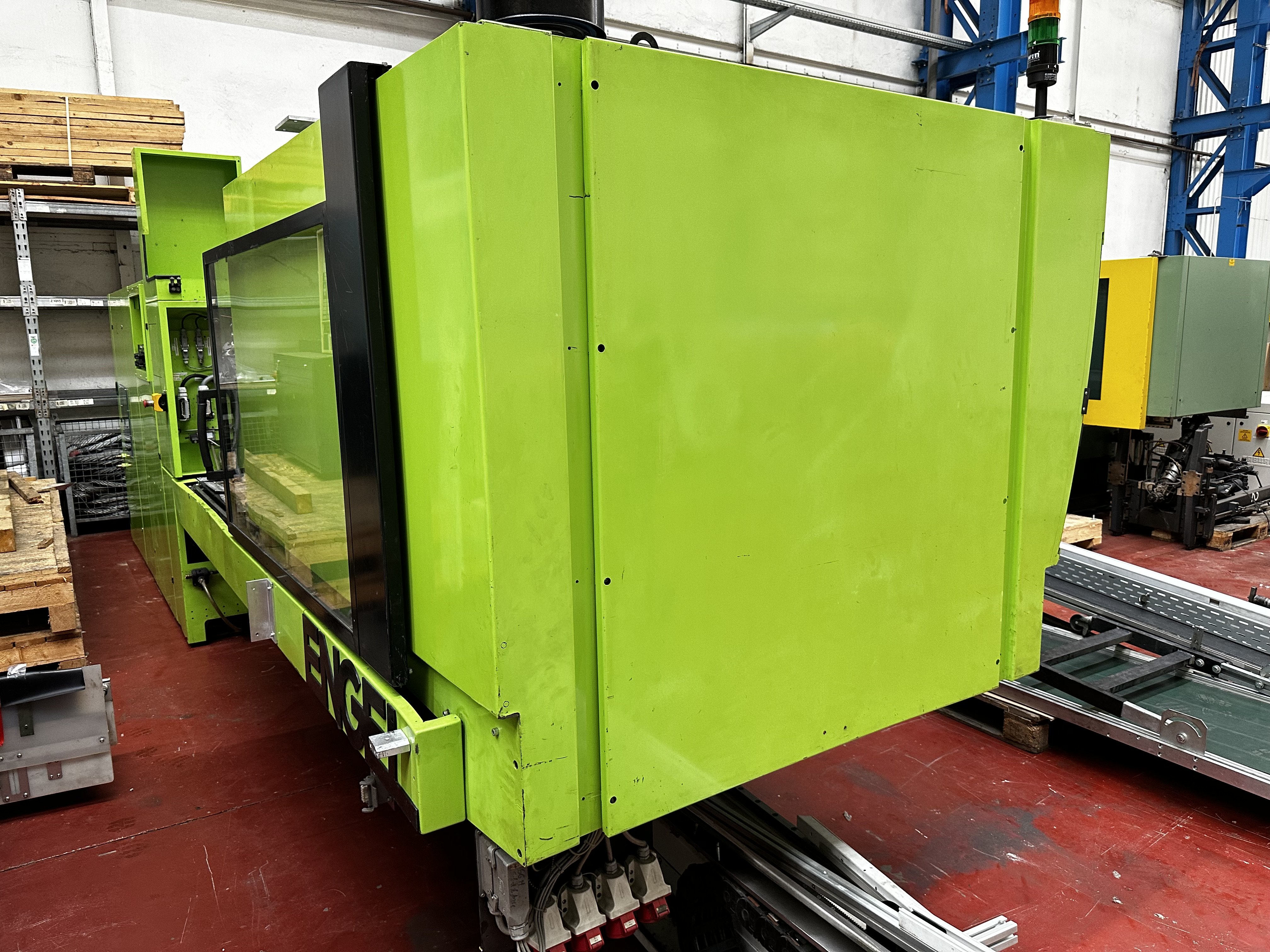
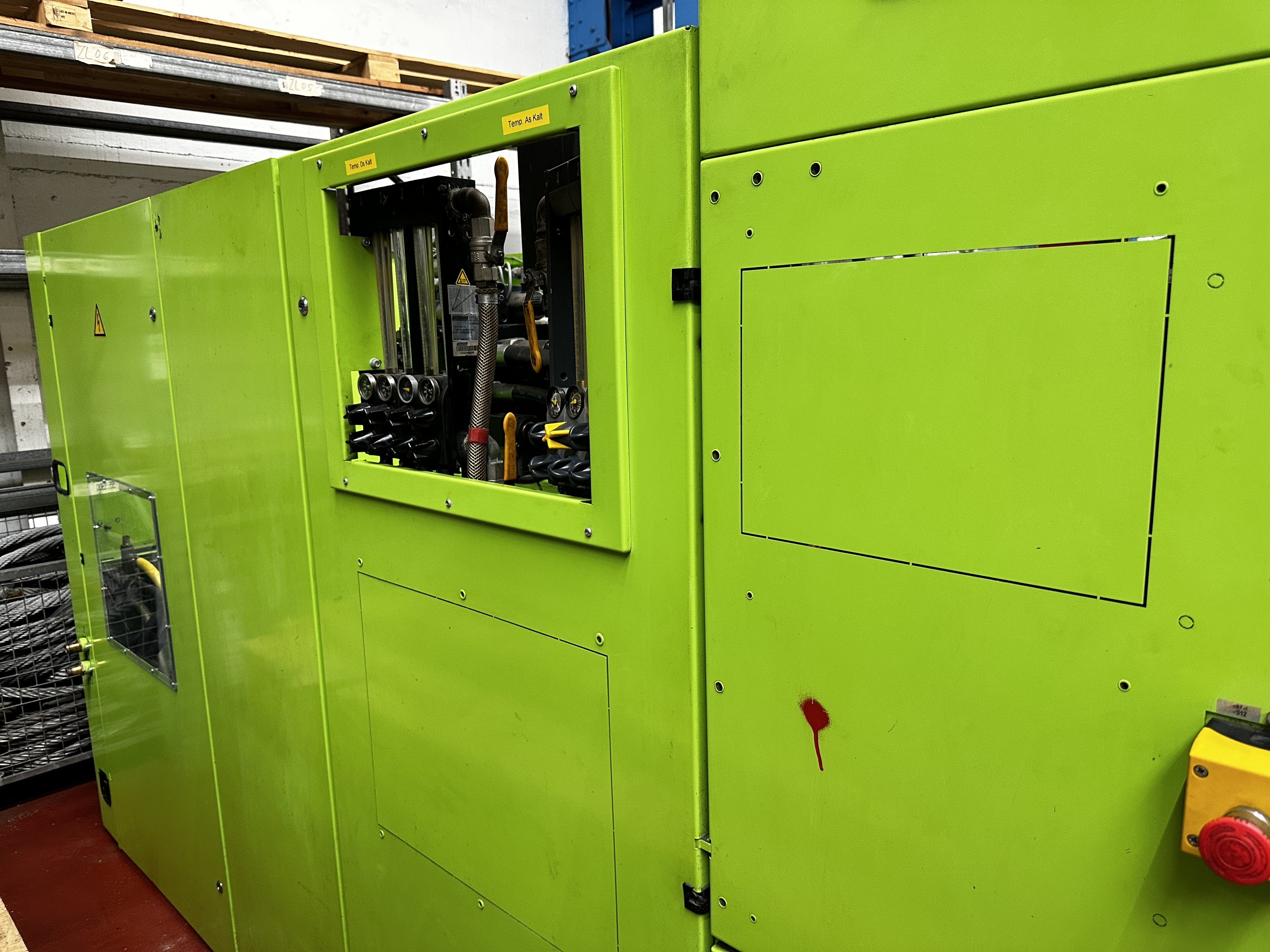
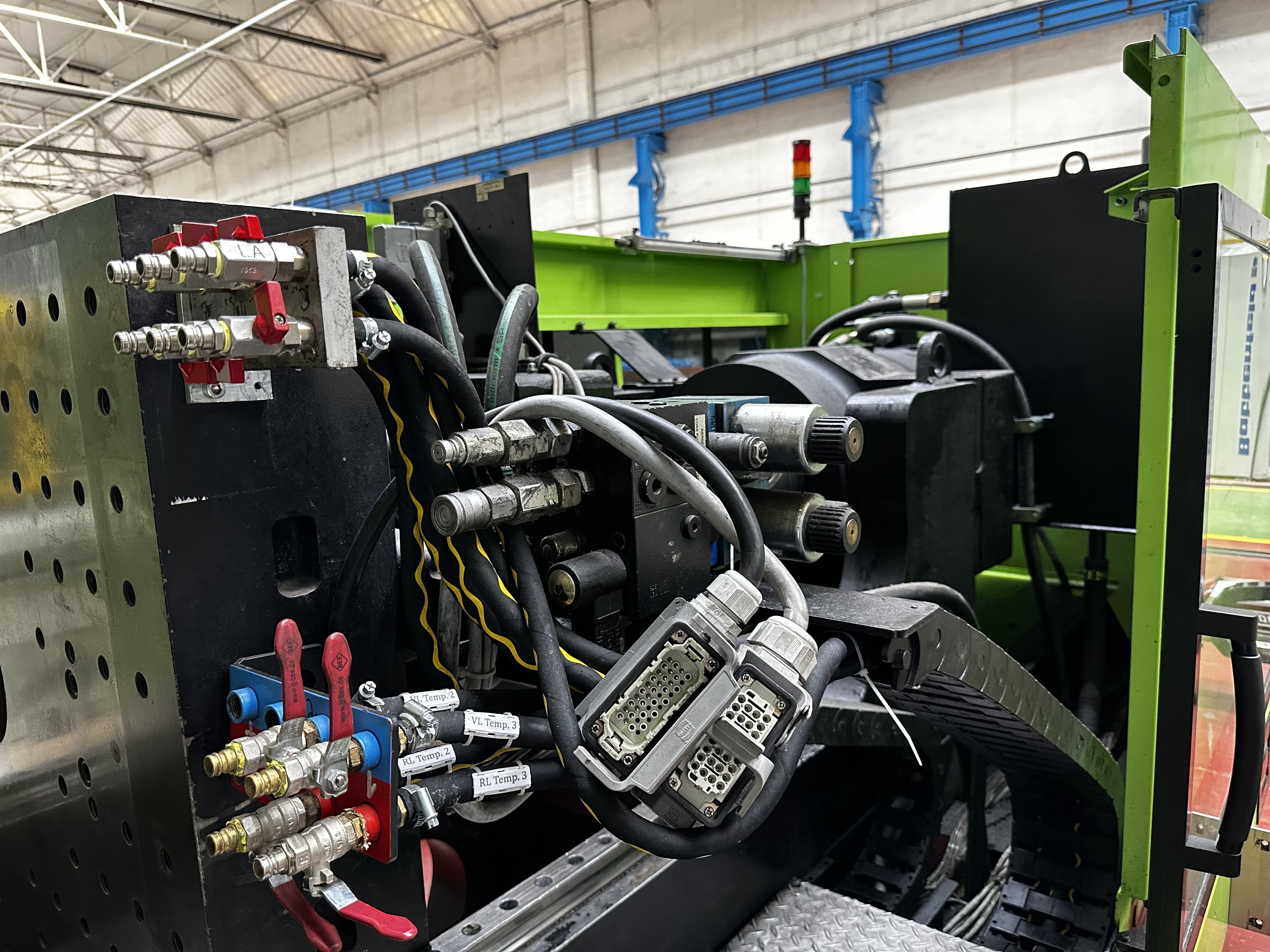
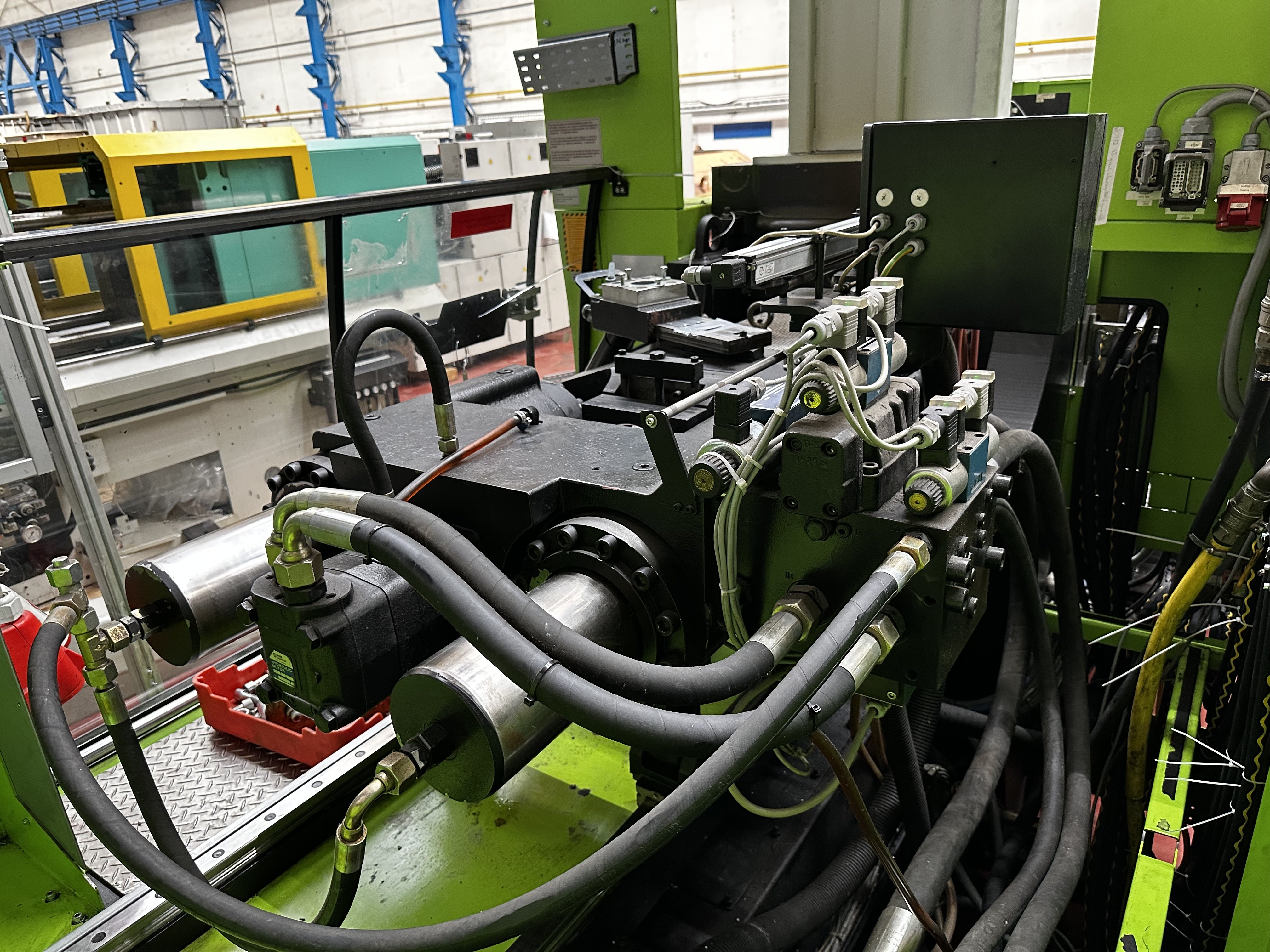
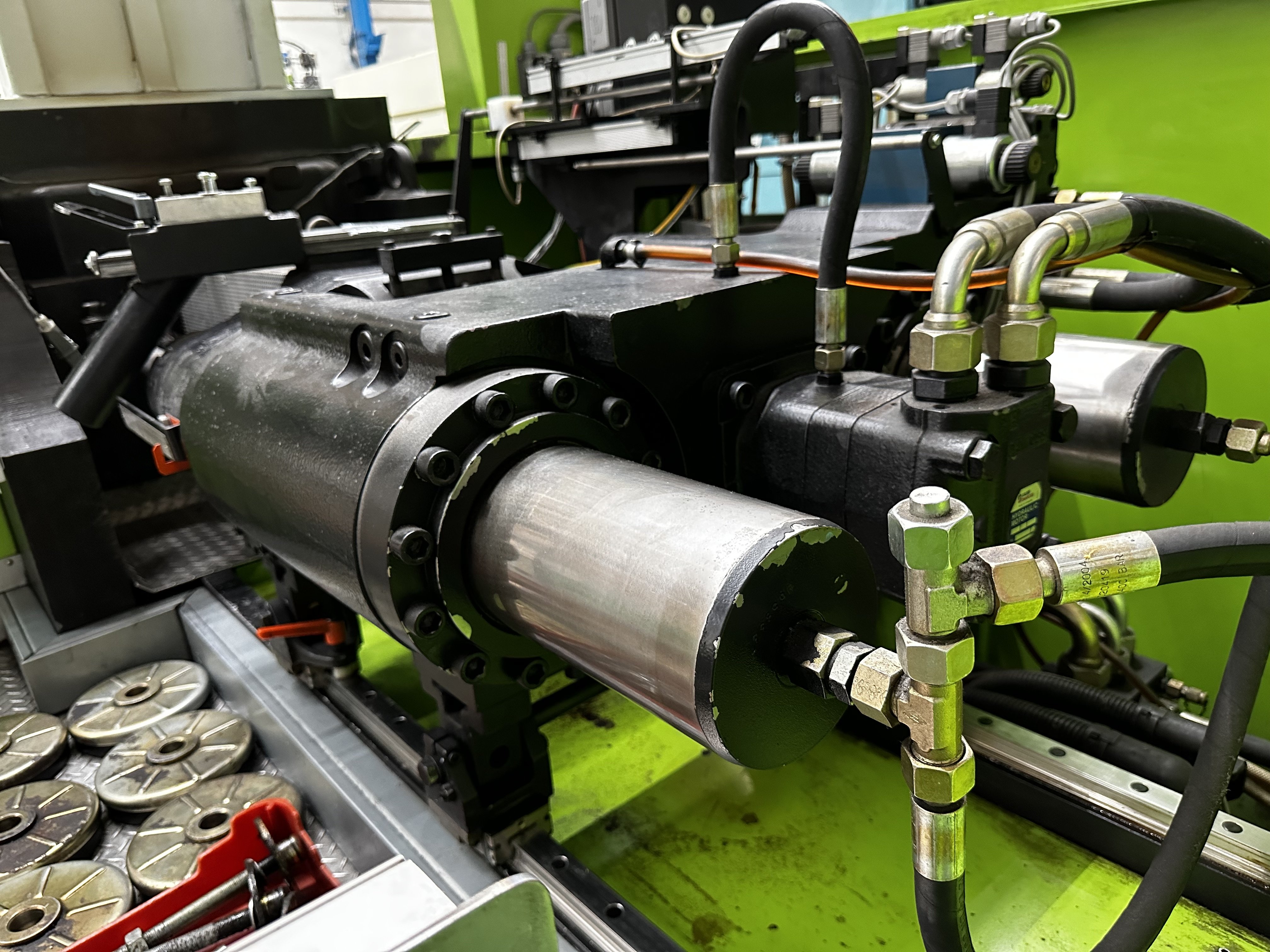
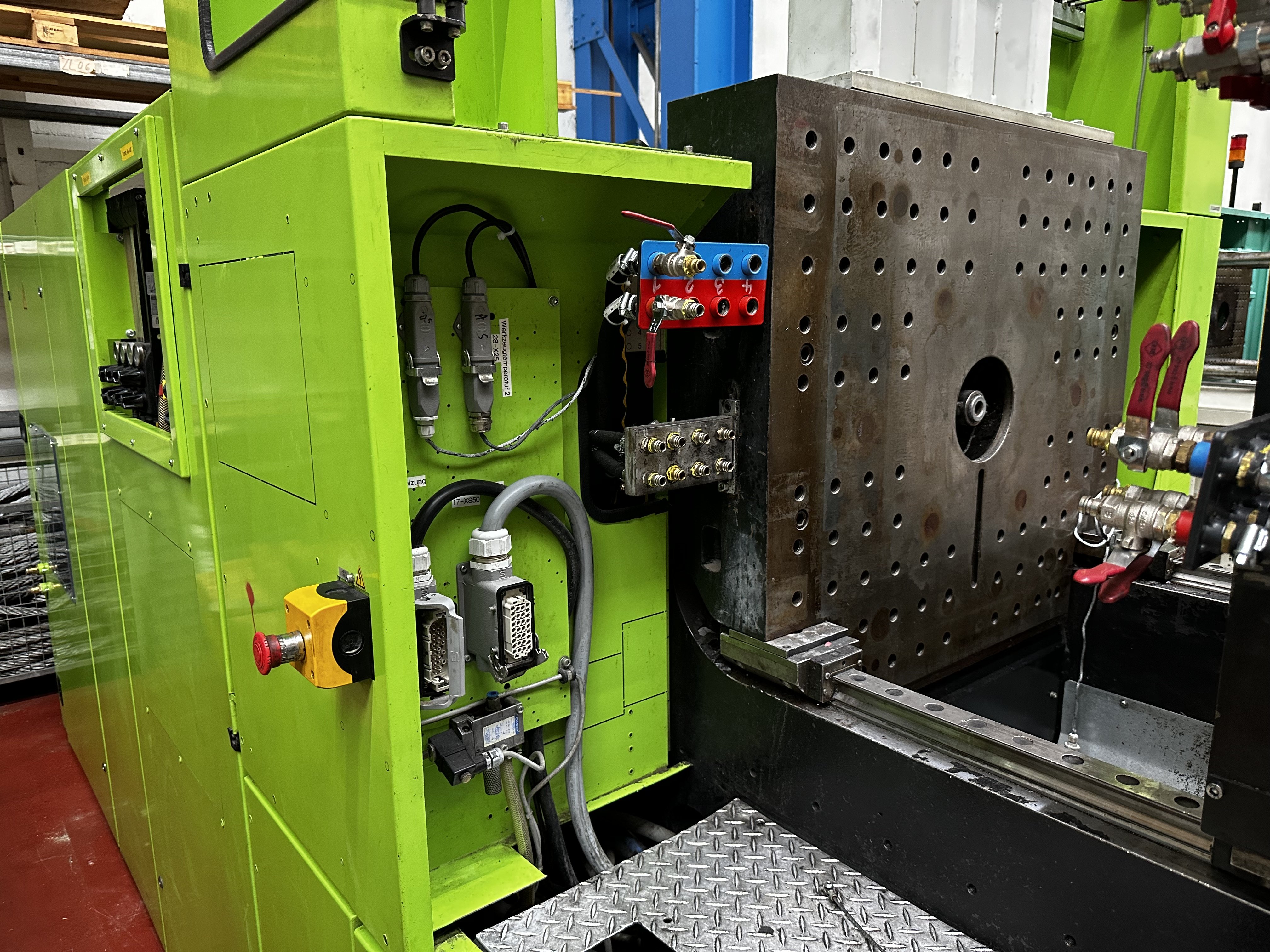
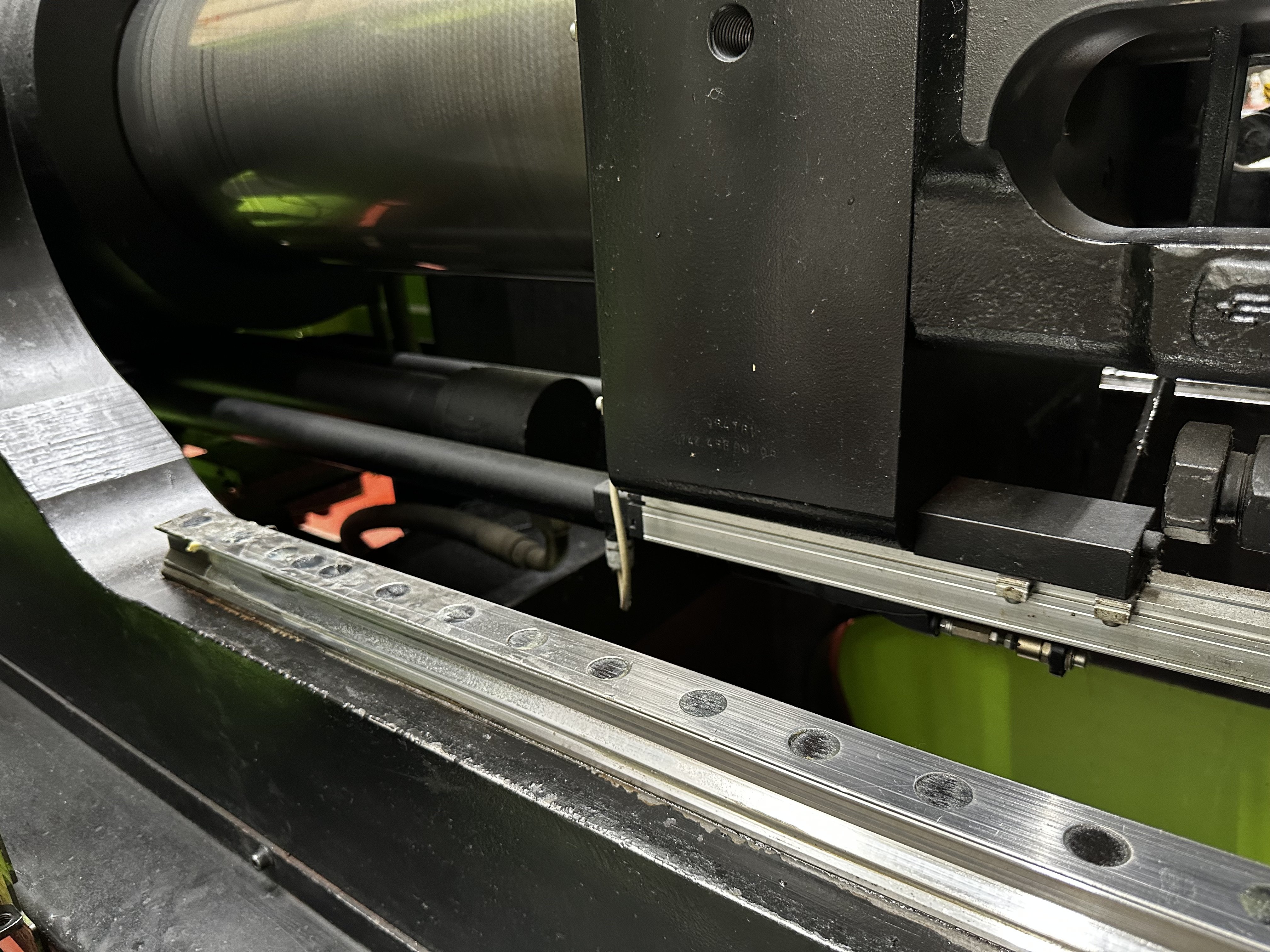
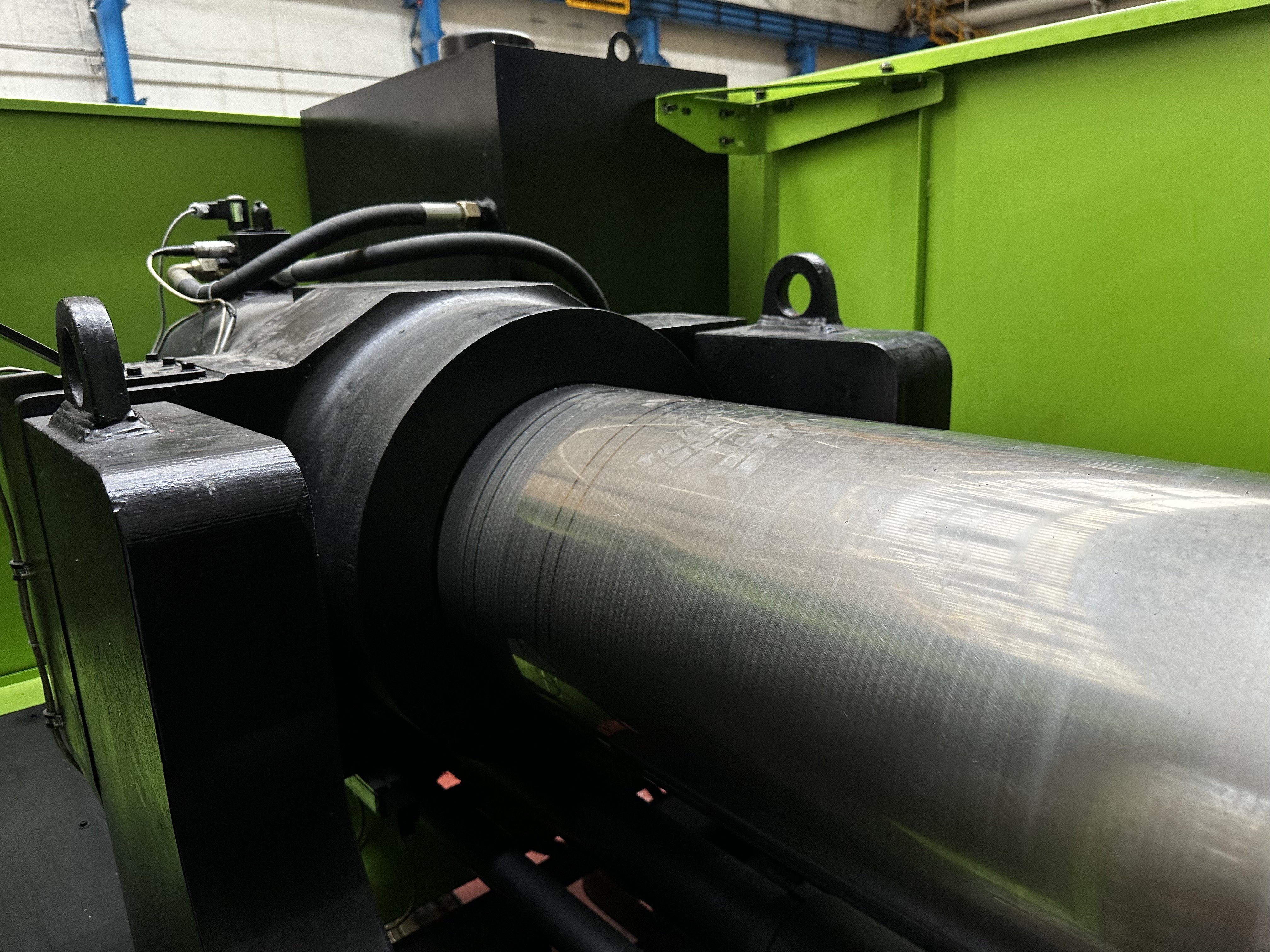
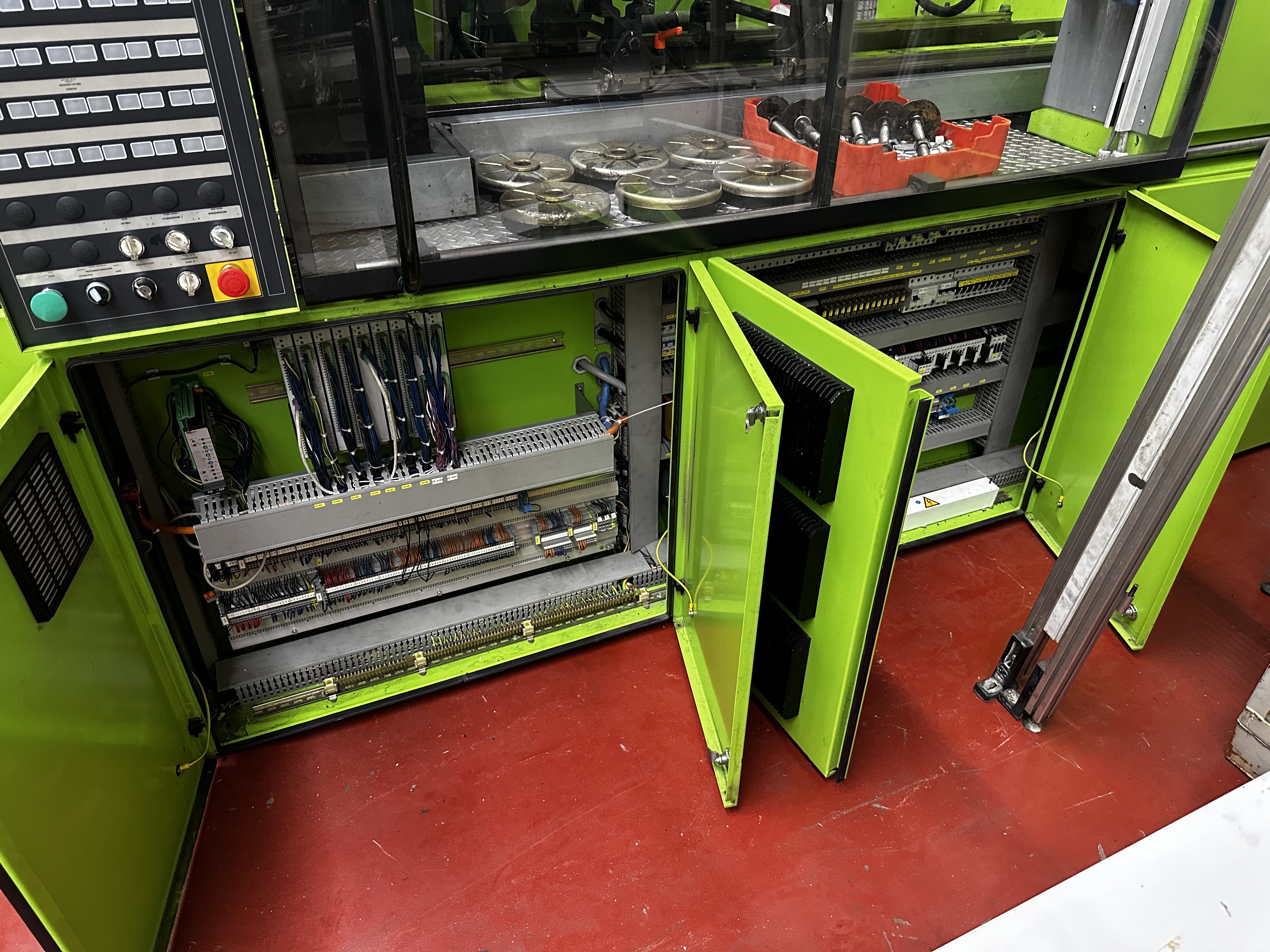
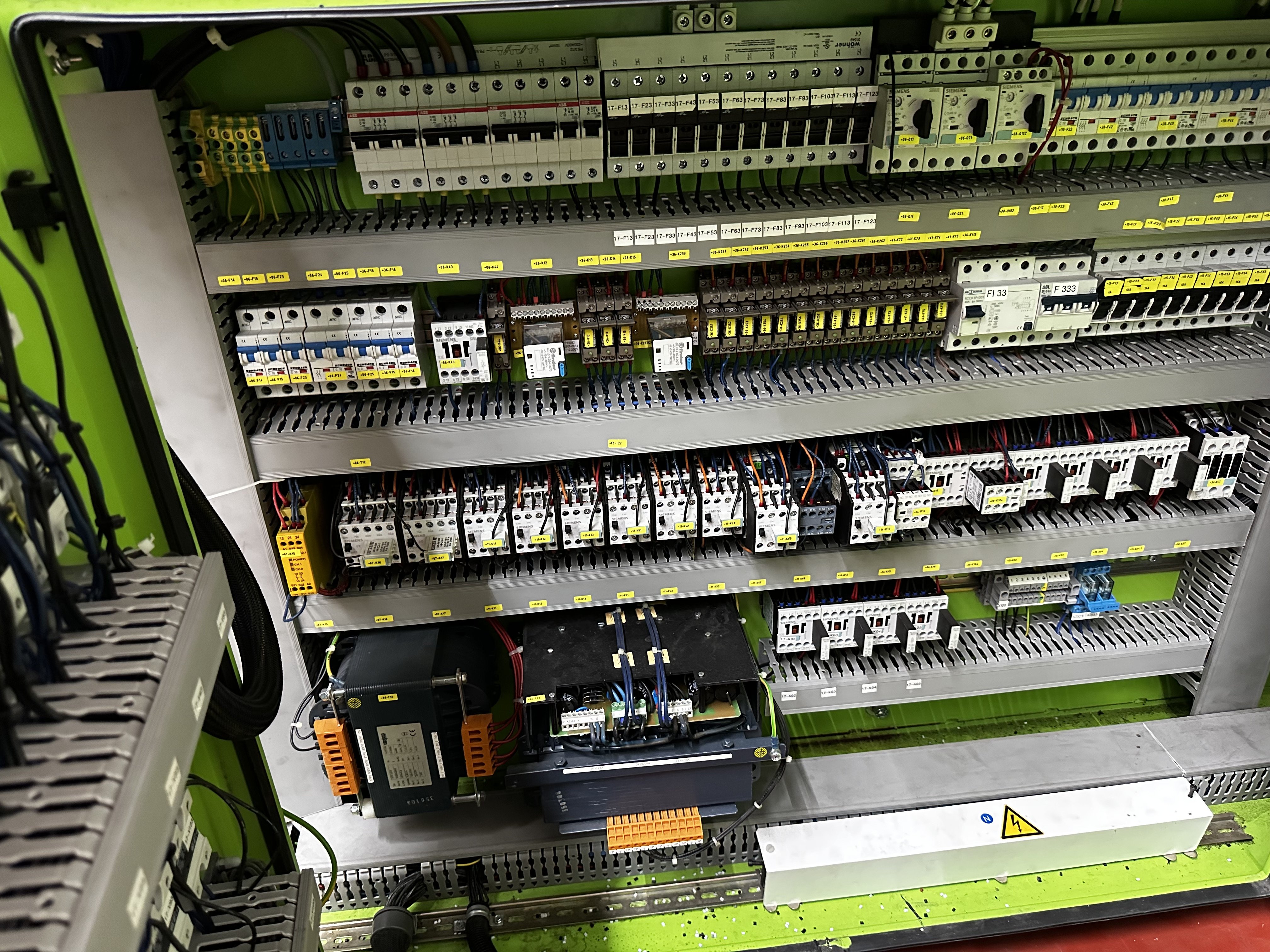
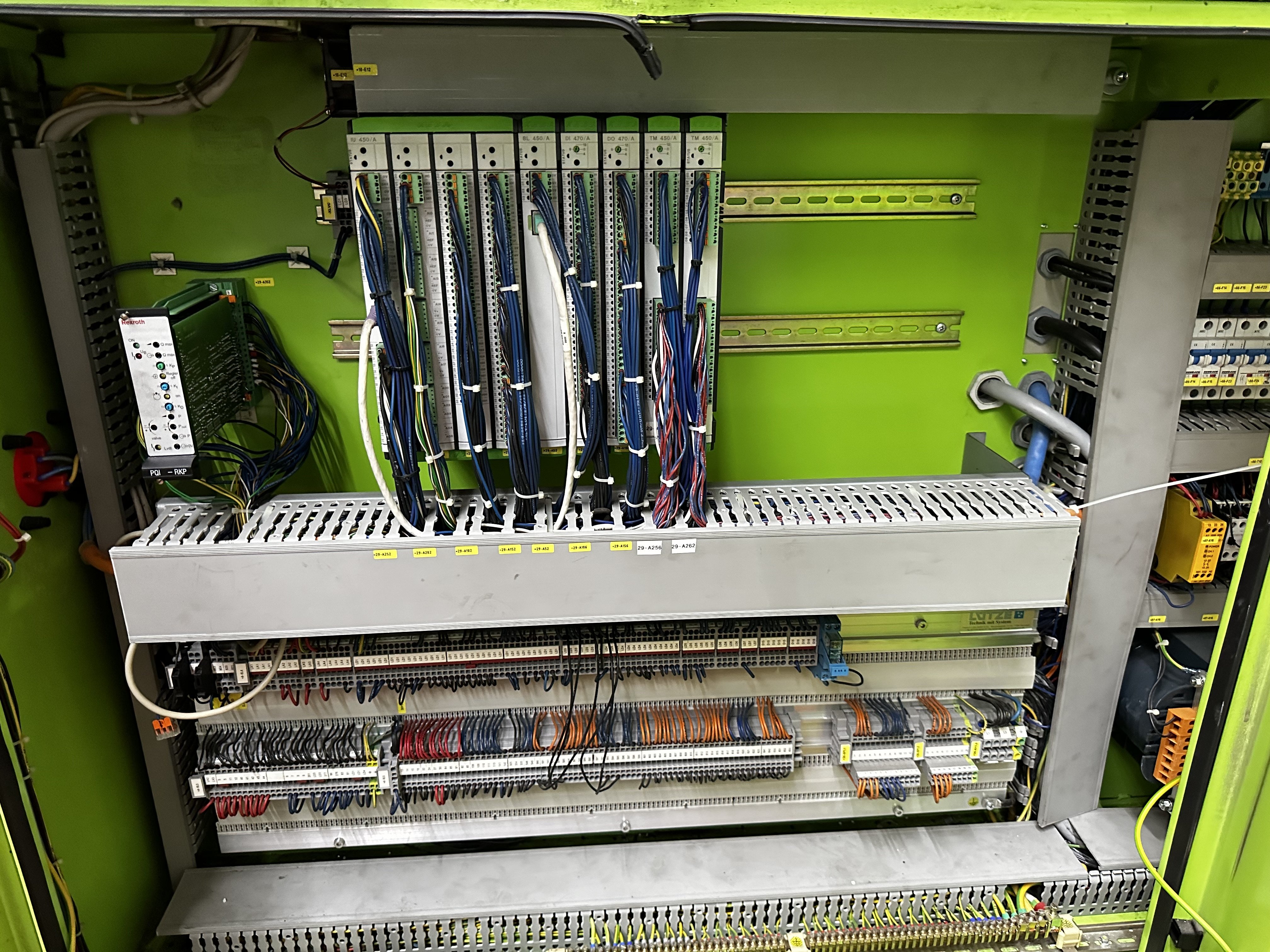
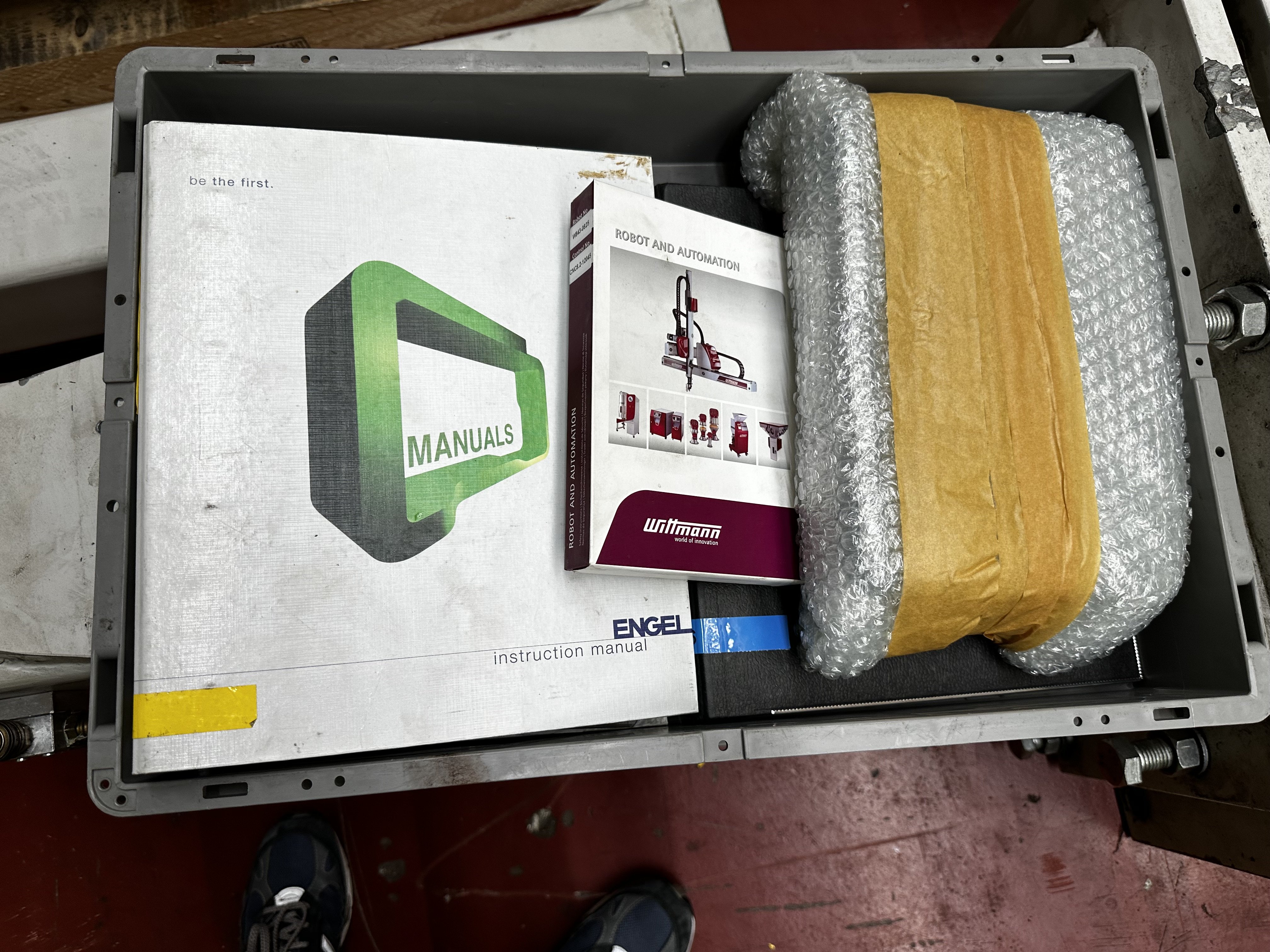
Używany ENGEL Victory 750 / 180 tech
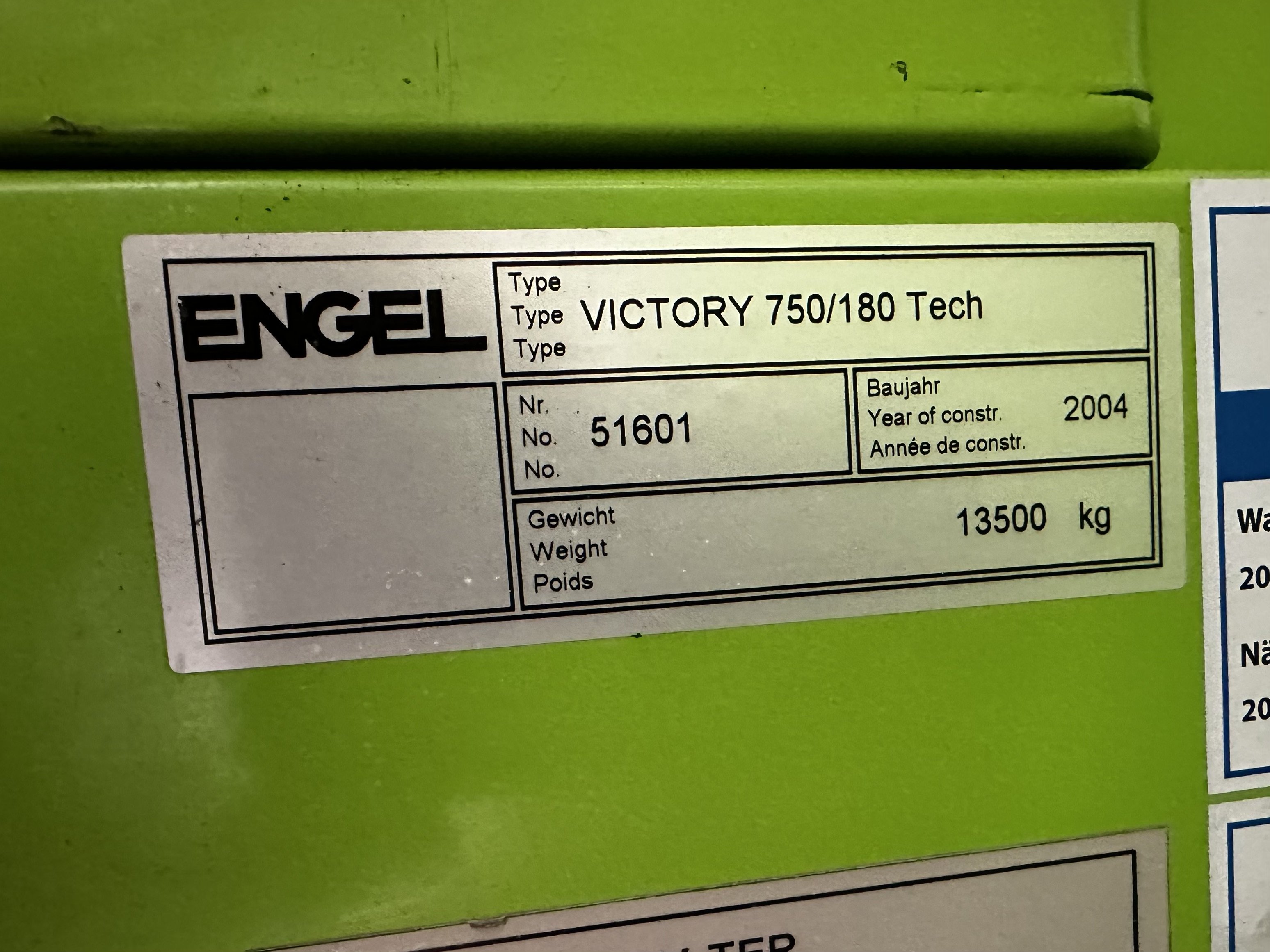
Producent
ENGEL
Typ
Victory 750 / 180 tech
Rok produkcji
2004
Zespół zamykania
Siła zamknięcia
180 ton
Droga otwarcia
750 mm
Rozstaw kolumn
960 x830 mm
Wysokość formy min
500 mm
Odległość między kolumnami
1250 mm
Zespół Wtrysku
Średnica ślimaka [
45 mm
Objętość wtrysku
318 cm³
Gramatura wtrysku
302 gr
Ciśnienie wtrysku
1769/2360 bar
Wymiary i waga
Waga maszyny
13500 Kg
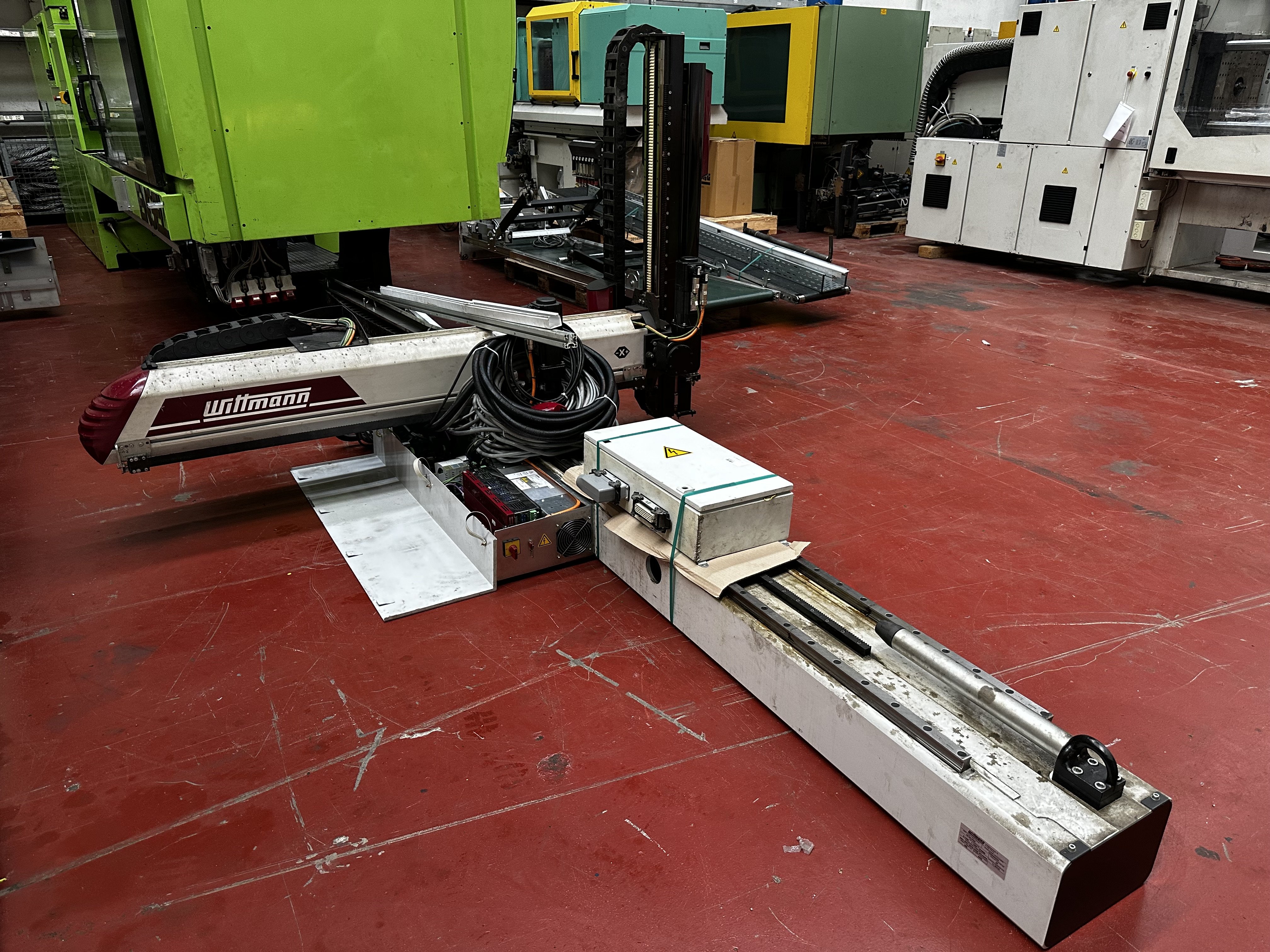
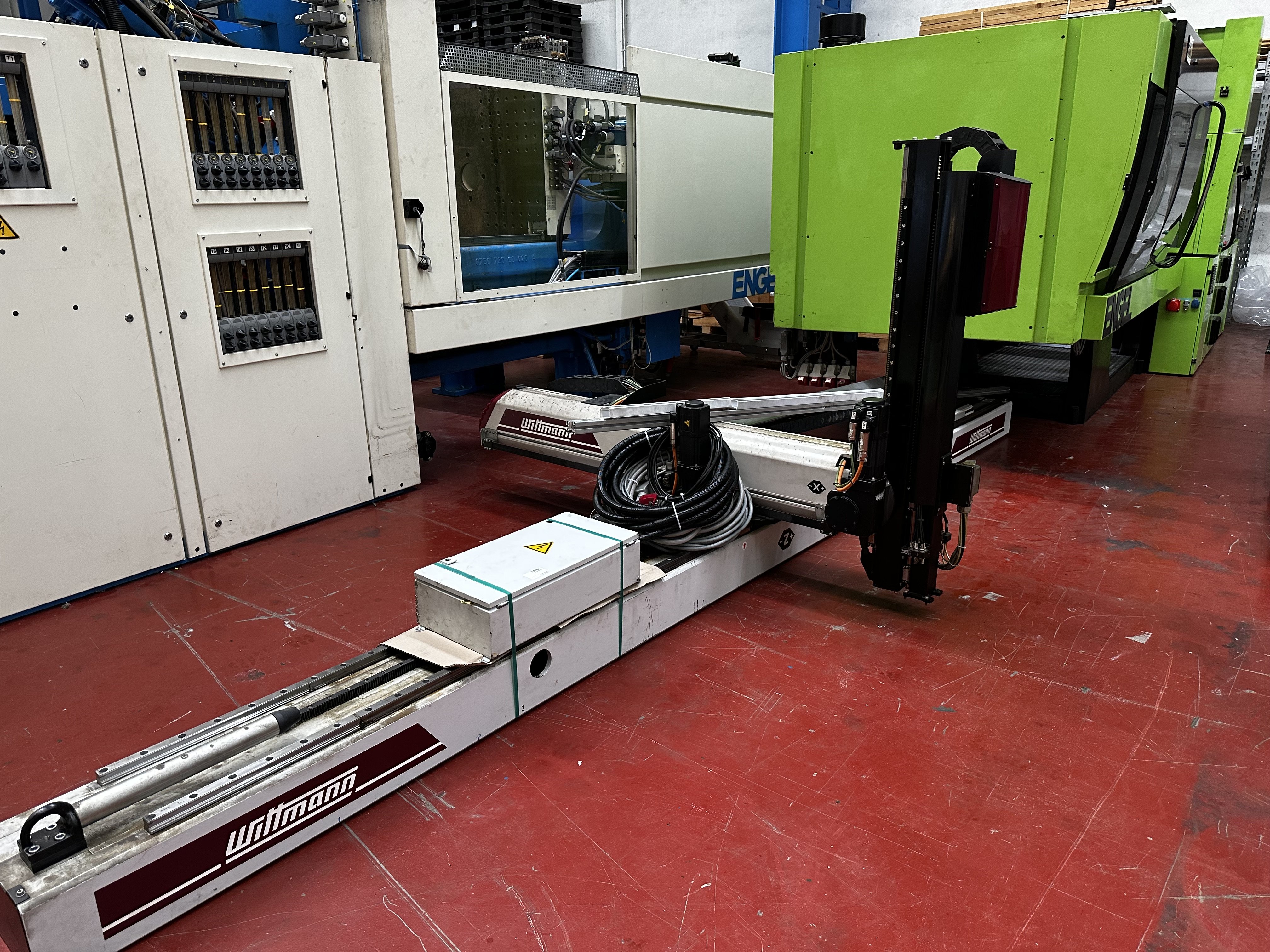
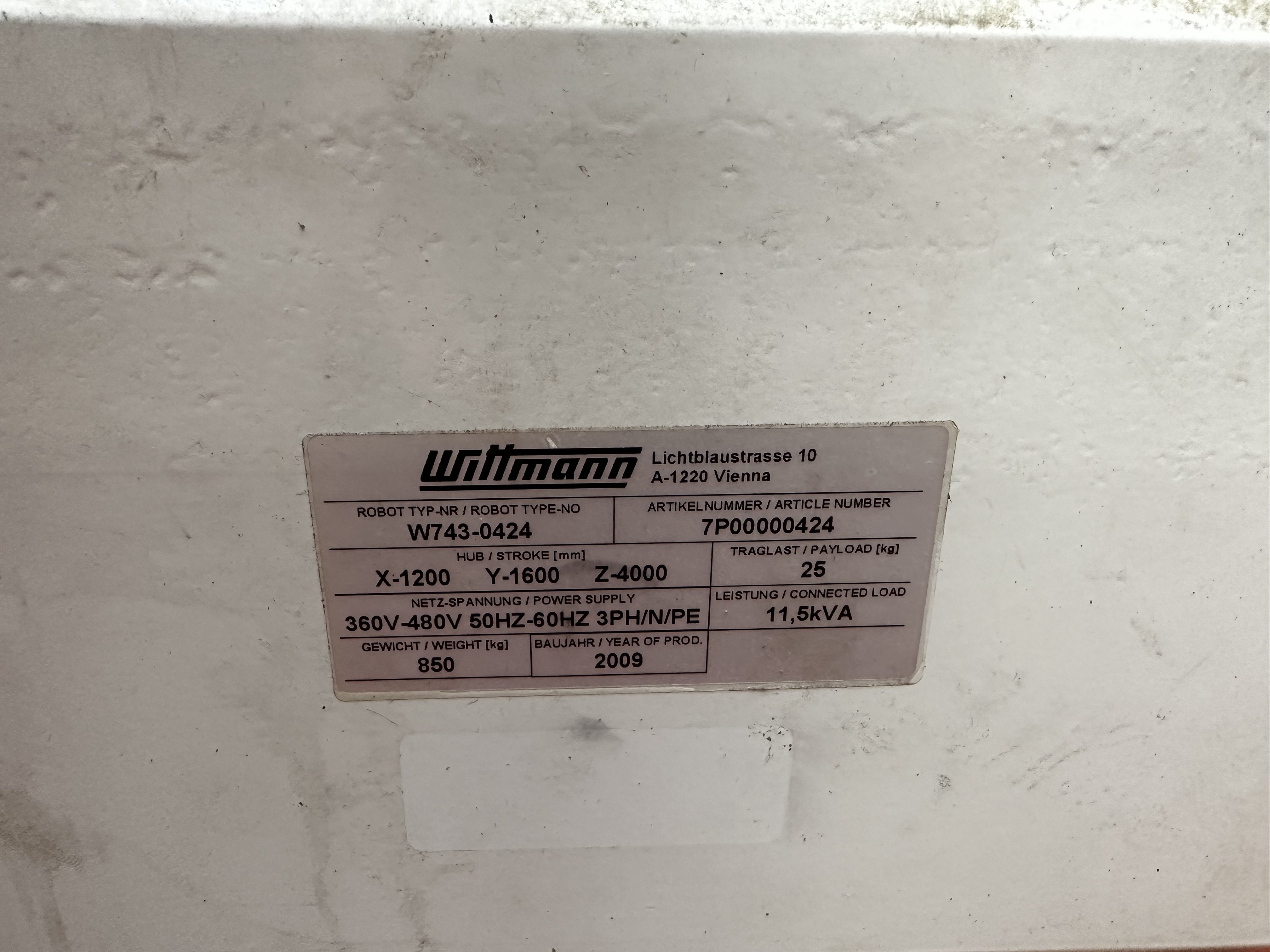
Robot
Producent
Wittman
Typ
W743
Rok produkcji
2009
Additional Information:
ENGEL Victory 750/180 Tech – Power, Flexibility and Reliability with Tie-Bar-Less Technology
The ENGEL Victory series was specially developed for technical plastic processing and is known as a professional injection moulding machine series offering high energy efficiency and maximum mould flexibility.
Unlike conventional tie-bar machines, this series provides a much more flexible working area thanks to its tie-bar-less clamping system.
⸻
🔍 Advantages of the ENGEL Victory Series
✔ Tie-Bar-Less Design
The biggest advantage of the world-renowned ENGEL Victory series is its tie-bar-less construction.
This system offers several important advantages:
• Larger moulds can be installed easily
• Easier access for complex mould geometries
• Reduced mould changeover times
• Easier robot integration
• More efficient use of production space
This technology is especially advantageous for automotive, technical plastic parts, packaging and industrial applications.
⸻
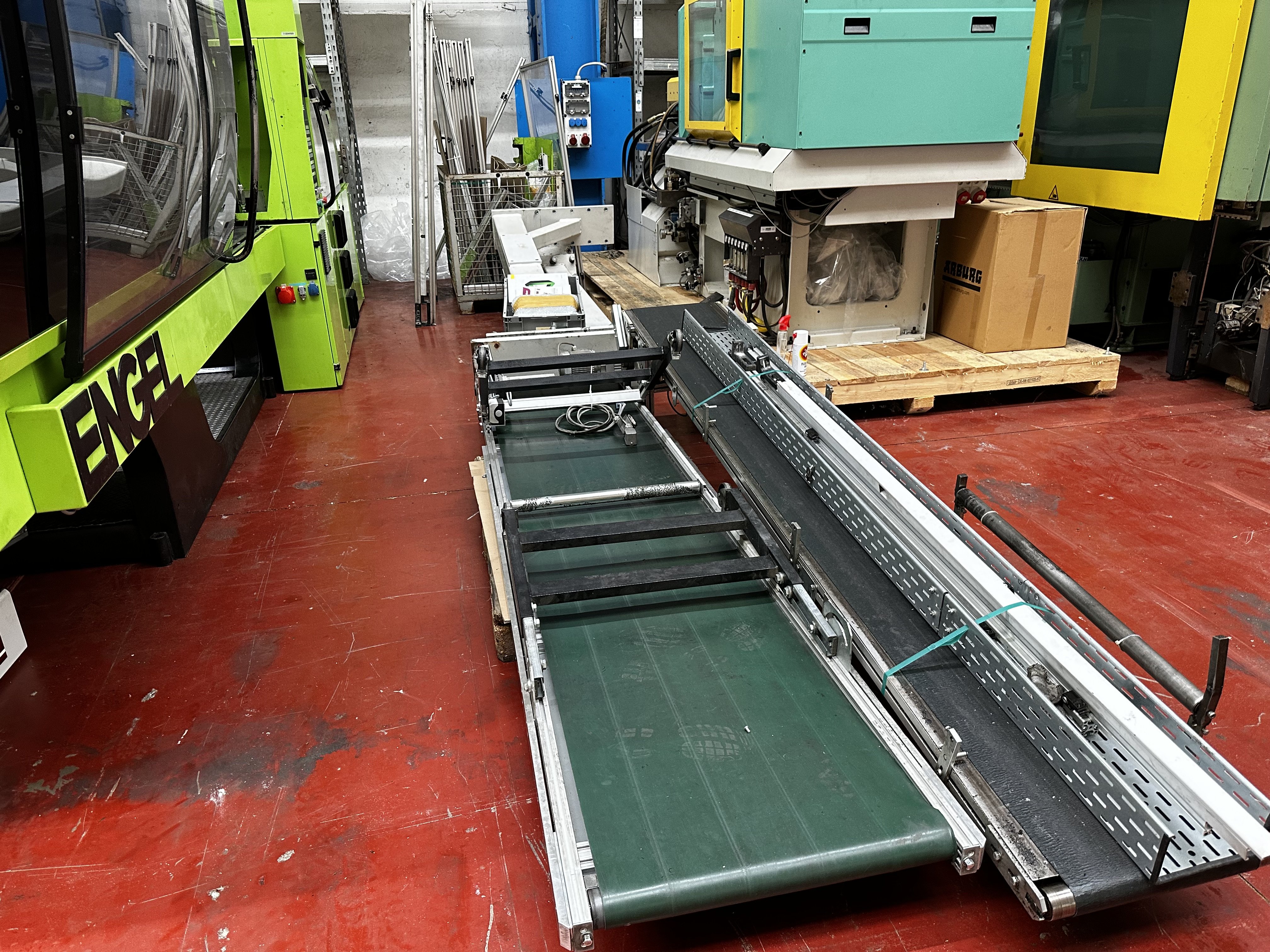
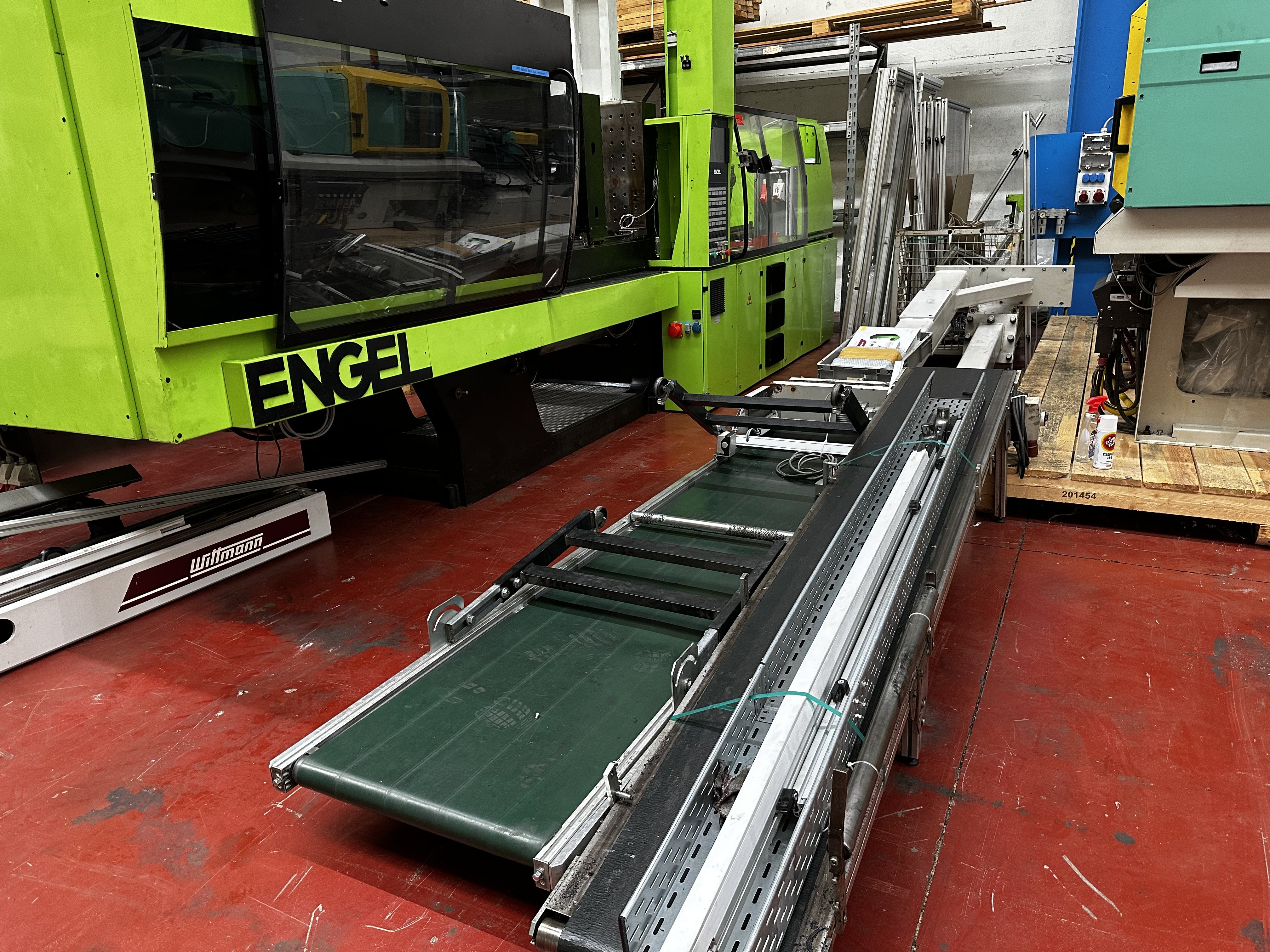
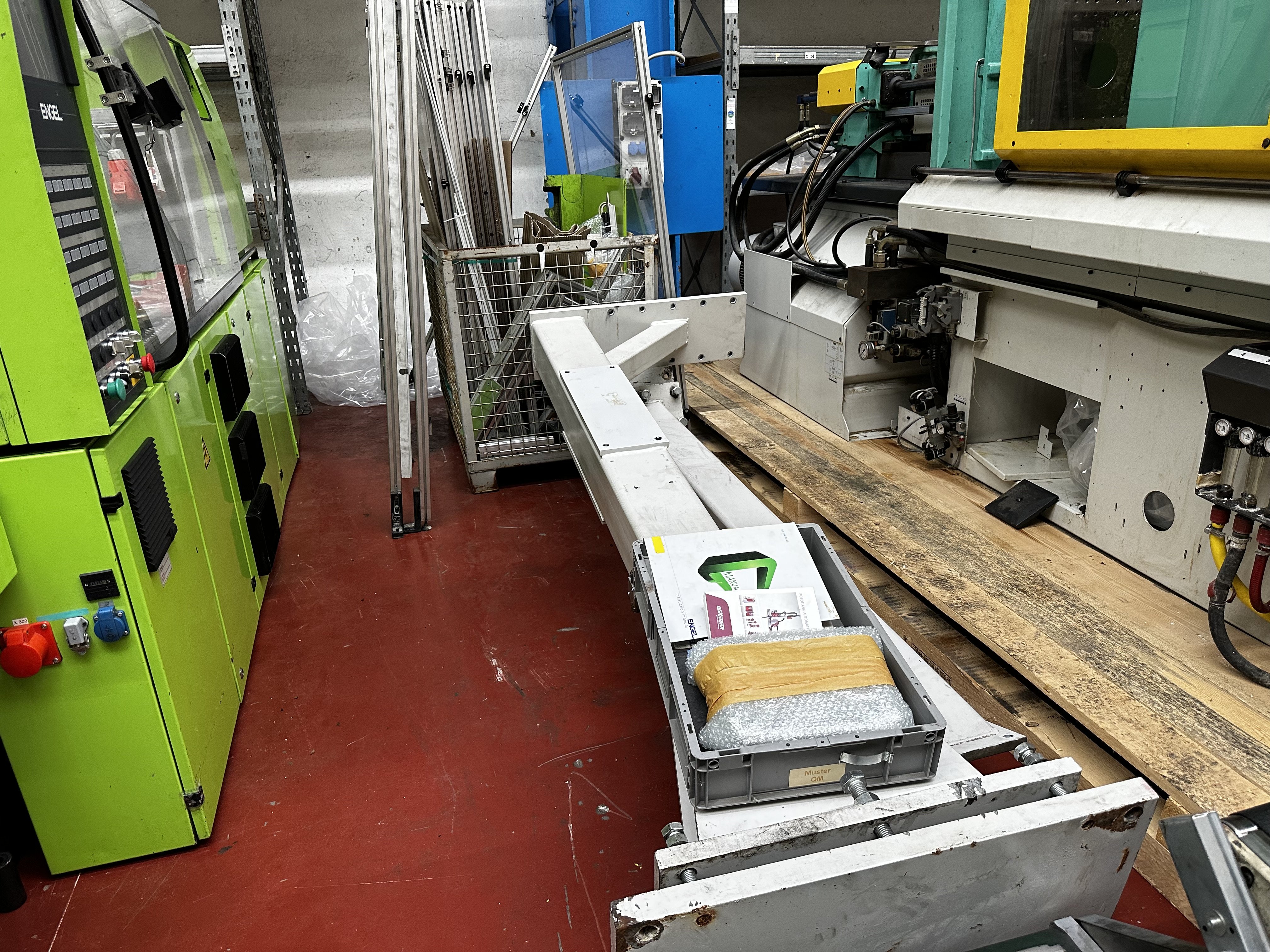
✔ Wittmann Robot Integration
The machine has been operated together with a Wittmann robot.
Robot specifications:
• Wittmann W743-0424
• Year of manufacture: 2009
• Payload capacity: 25 kg
• X-axis: 1200 mm
• Y-axis: 1600 mm
• Z-axis: 4000 mm
This configuration provides major advantages for automated production processes.
⸻
🔍 Machine Operating System
The ENGEL Victory Tech series operates with a servo-hydraulic system.
✔ Hydraulic System:
• Clamping unit
• Injection movements
• Ejector system
• Mould movements
are driven by a high-performance hydraulic system.
✔ Thanks to the servo-controlled hydraulic system:
• Only the required amount of energy is consumed
• Power consumption is significantly reduced
• Quieter operation is achieved
• Production stability is improved
Unlike older conventional hydraulic machines, the machine does not run continuously at full power.
The servo pump system operates only when needed, providing the following advantages:
• Lower energy costs
• Reduced heat generation
• Longer component lifetime
• More stable processing conditions
The ENGEL Victory series was specially developed for technical plastic processing and is known as a professional injection moulding machine series offering high energy efficiency and maximum mould flexibility.
Unlike conventional tie-bar machines, this series provides a much more flexible working area thanks to its tie-bar-less clamping system.
⸻
🔍 Advantages of the ENGEL Victory Series
✔ Tie-Bar-Less Design
The biggest advantage of the world-renowned ENGEL Victory series is its tie-bar-less construction.
This system offers several important advantages:
• Larger moulds can be installed easily
• Easier access for complex mould geometries
• Reduced mould changeover times
• Easier robot integration
• More efficient use of production space
This technology is especially advantageous for automotive, technical plastic parts, packaging and industrial applications.
⸻
✔ Wittmann Robot Integration
The machine has been operated together with a Wittmann robot.
Robot specifications:
• Wittmann W743-0424
• Year of manufacture: 2009
• Payload capacity: 25 kg
• X-axis: 1200 mm
• Y-axis: 1600 mm
• Z-axis: 4000 mm
This configuration provides major advantages for automated production processes.
⸻
🔍 Machine Operating System
The ENGEL Victory Tech series operates with a servo-hydraulic system.
✔ Hydraulic System:
• Clamping unit
• Injection movements
• Ejector system
• Mould movements
are driven by a high-performance hydraulic system.
✔ Thanks to the servo-controlled hydraulic system:
• Only the required amount of energy is consumed
• Power consumption is significantly reduced
• Quieter operation is achieved
• Production stability is improved
Unlike older conventional hydraulic machines, the machine does not run continuously at full power.
The servo pump system operates only when needed, providing the following advantages:
• Lower energy costs
• Reduced heat generation
• Longer component lifetime
• More stable processing conditions